4 Days in Istanbul: Where to Stay, Eat, and Explore Across Two Continents
Istanbul is a city that refuses to sit still — literally. It spans two continents, with Europe on one bank of the Bosphorus and Asia on the other, and the shift between them is something you feel with every ferry crossing. Four days is enough time to properly experience both sides: the historic peninsula, the buzzing European neighbourhoods, and a full day exploring where locals actually eat and live on the Asian side.
Here’s how to spend four days doing it properly.
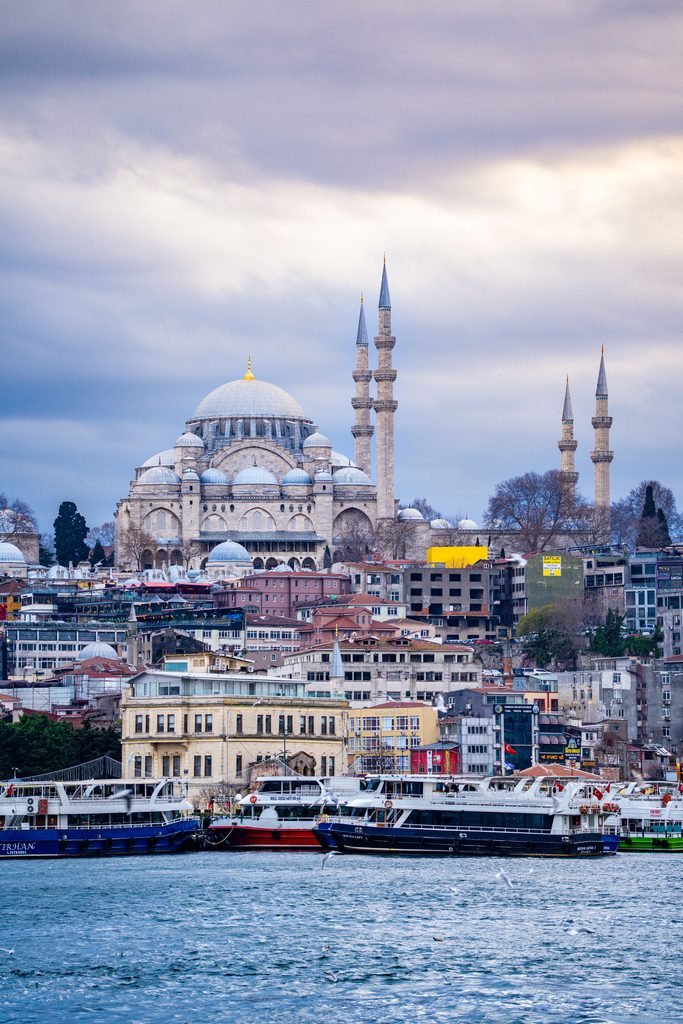
Where to stay
Most first-timers head straight for Sultanahmet, the historic centre with Hagia Sophia on the doorstep — convenient, but it can feel like staying inside a museum. For more character, base yourself in Beyoğlu or Galata instead: a 20-minute walk or tram ride from the old city, packed with excellent restaurants and bars, and far more reflective of how the city actually lives. Karaköy, just next door, offers a similar vibe with a stronger coffee culture and waterfront setting. For the more adventurous, Kadıköy on the Asian side has the best food market in the city — just factor in the 25-minute ferry to reach the European side.
One practical note before you go: UK citizens need a Turkish e-Visa, applied for online in advance — it takes about 10 minutes and costs roughly $50. Don’t leave this for the airport.
Day one: the historic peninsula
Start at Hagia Sophia — arguably the single greatest building in the city, having been a basilica, a mosque, a museum, and now a mosque again. Go early to beat the queues, and dress respectfully. Five minutes away is the Blue Mosque, its interior tilework alone worth the visit. For lunch, skip the restaurants directly on the main square and walk toward Divan Yolu instead, where a lahmacun (Turkish flatbread with meat) costs a few euros and tastes far better.
The afternoon belongs to the markets: the Grand Bazaar, one of the world’s oldest and largest covered markets, is overwhelming in the best way — bargain hard, starting around 40% of the asking price. The Spice Bazaar nearby is calmer and better suited to actually buying teas, spices, and Turkish delight. Finish the day walking across Galata Bridge at sunset, with fishermen lining both sides and the Bosphorus glowing gold, before a proper Turkish dinner of shared mezes and raki in Karaköy or Beyoğlu.
Day two: Beyoğlu, Galata Tower and the Bosphorus
Begin with a proper Turkish breakfast — Istanbul’s breakfast culture might be the best in the world, a spread of cheeses, olives, eggs, tomatoes, bread, and honey that easily justifies a leisurely couple of hours. From there, climb Galata Tower for 360-degree views, then wander down Istiklal Avenue, the buzzing pedestrian spine of the European side, before ducking into quieter Cihangir or Çukurcuma for lunch and better coffee.
If you’re keeping up a training routine while travelling, Istanbul makes it easy — local gyms often offer day passes for a small fee, or Maçka Park is a solid spot for an outdoor run. As evening approaches, skip the pricier tourist boats and take the regular public ferry from Eminönü to Üsküdar instead — the same golden-hour views across both continents, for a fraction of the cost. End the night at a traditional meyhane on Nevizade Sokak, with live music and unlimited meze.
Day three: the Asian side
This is the day most tourists skip, and exactly why you shouldn’t. The ferry from Eminönü to Kadıköy takes 25 minutes and is worth the trip alone. Kadıköy’s food market is the finest in the city — walk every aisle before deciding what to buy — and the neighbouring Moda district is quiet, leafy, and genuinely local, with independent cafés and zero crowds. For lunch, Çiya Sofrası serves regional Anatolian dishes you won’t find on the European side. Later, explore Üsküdar, the more traditional of the two Asian ferry points, before heading back to Karaköy for dinner at one of its excellent fish restaurants.
Day four: Topkapi Palace and departure
Use your final morning for an early, quiet visit to Hagia Sophia before the crowds build, or head straight to Topkapi Palace — the Ottoman palace complex, with its fascinating harem section and Bosphorus views from the grounds. Allow two to three hours. For lunch, a rooftop restaurant in Sultanahmet is worth the splurge for the Hagia Sophia views alone. Spend your last hours in the Arasta Bazaar, smaller and calmer than the Grand Bazaar and better for genuine crafts, before a final proper Turkish coffee — never stirred, sipped slowly while the grounds settle — ahead of the journey to the airport.
Practical notes
The Istanbulkart covers every form of public transport — metro, tram, bus, and ferry — and costs a couple of euros for the card plus top-up. Cash is still widely used alongside cards. The best months to visit are April–May and September–October; July–August is hot and busy, while December–February is cold but noticeably cheaper and quieter. Istanbul is very safe for visitors in the main areas, with standard city awareness applying as anywhere else.
Want the full day-by-day breakdown, complete with exact restaurant picks, transport tips, and booking links? Grab the complete Istanbul Travel Itinerary