Guernsey Travel Guide: Best Time to Visit, Top Activities & Fitness-Friendly Things to Do
Guernsey Travel Guide: Best Time to Visit, Top Activities & Fitness-Friendly Things to Do
Guernsey is a small Channel Island in the Bay of St Malo, off the coast of Normandy, France — part of the British Isles but not part of the UK. The best time to visit is between May and September, when temperatures sit comfortably in the high teens to low twenties and the island’s 28 miles of cliff-top paths are at their driest. Flights from the UK mainland take under an hour, ferries run from Poole and Portsmouth, and the island’s compact size (roughly 24 square miles) makes it one of the easiest places in Europe to combine a genuine outdoor fitness break with a proper holiday — think coastal running routes, cliff walks, coasteering, kayaking and cycling, all within a 20-minute drive of wherever you’re staying.
That’s the short version. Here’s the rest, for anyone actually planning the trip.
Getting There and Getting Around
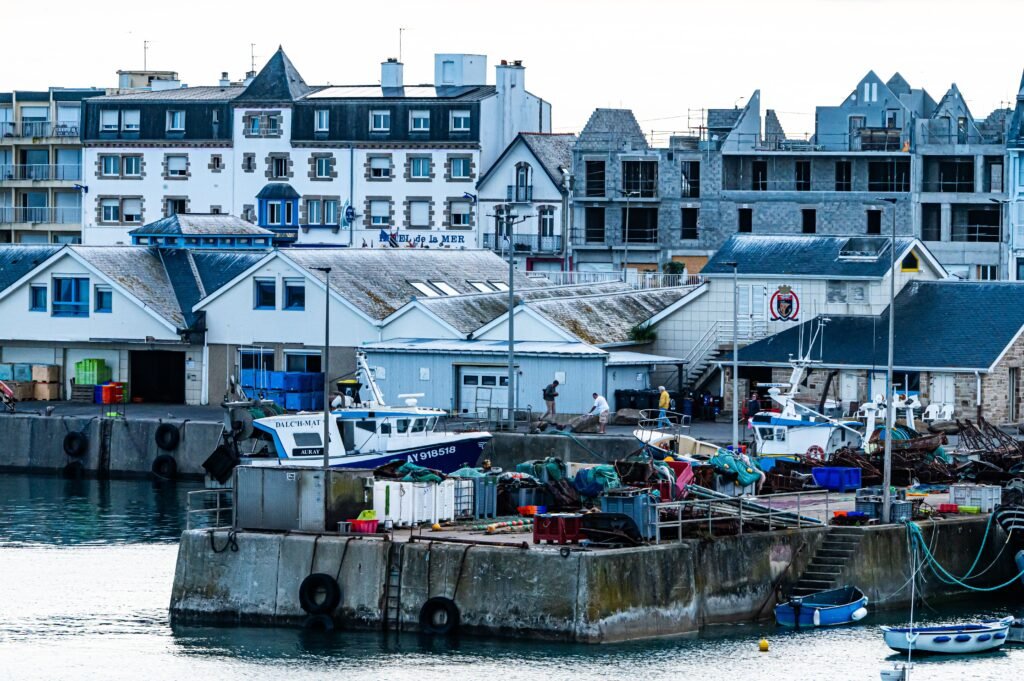
Guernsey Airport connects to most major UK regional airports in well under an hour, and the ferry from Poole or Portsmouth is a solid option if you’d rather bring a bike or a car. Once you’re on the island, a hire car isn’t strictly necessary — Guernsey is small enough to cycle end to end in a day — but if you’re staying somewhere like Torteval or the west coast and want quick access to St Peter Port in the evenings, it’s worth having one for a couple of days of the trip.
Why It’s a Genuinely Active Destination
This is where Guernsey pulls ahead of a lot of “sit on a beach” island breaks. The south coast alone has close to 28 miles of cliff-top trail, split into manageable sections if you’re not trying to do the whole thing in one go. The terrain rewards a decent pair of trail shoes and a light daypack rather than flip-flops — expect a mix of packed coastal path, some steeper scrambles near the bays, and long flat stretches where you can actually get a proper pace going.
Beyond walking and running, the island has become a genuine hub for coasteering, sea kayaking and paddleboarding, largely thanks to the tidal range — one of the largest in the world — which exposes huge stretches of sand and rockpools twice a day and creates ideal conditions for guided water sessions. Cycling routes are well signposted, with dedicated paths tracing the west coast, the south coast forts and watchtowers, and quieter inland lanes through Castel and St Martin’s.
If you’re building a fitness-and-travel content calendar around this one, this is the section to lean on: cliff running, coasteering, tidal kayaking, and cycling all give you distinct photo and video setups without needing to leave the island.
Don’t Skip Herm
A 20-minute ferry from St Peter Port gets you to Herm, a car-free neighbouring island with two beaches worth the trip on their own — Shell Beach and Belvoir Bay both have a genuinely Caribbean look to the water on a clear day. It’s small enough to walk the entire coastline in a few hours, which makes it an easy half-day add-on to a longer Guernsey itinerary.
Planning to actually do all this?
[Skip the research — get the full 7-day Guernsey itinerary →]
Where to Base Yourself
St Peter Port is the obvious choice for a first visit — harbour views, the widest range of restaurants, and everything else on the island within a short drive. For a quieter, more active-focused stay, the west coast around Cobo Bay or Vazon puts you closer to the surf beaches and cliff paths, with St Peter Port still only 15–20 minutes away for evenings out.
Food Worth Planning Around
Guernsey’s seafood is the standout — harbour-view bistros in St Peter Port and beachside cafés dotted around the coast both do well by it. If your trip lands in October, the Tennerfest runs across the island, with participating restaurants offering three-course meals at a fixed low price — a good way to try several places without the usual price tag.
Best Time to Visit, in More Detail
- May–June: fewer crowds, mild temperatures, best for hiking and cycling without the summer heat
- July–August: warmest sea temperatures, best for watersports and families, busiest period
- September: still warm, coincides with the island’s Autumn Walking Festival — arguably the best month for an active-travel-focused trip
- October: cooler, quieter, Tennerfest food season
Practical Notes
- Guernsey uses its own currency alongside the pound sterling, both accepted interchangeably
- No passport required for UK residents, though photo ID is recommended
- Pack for changeable coastal weather even in summer — a lightweight waterproof layer earns its space
- You also may want to activate your eSIM before you get there. The UK network sometimes does not work, or they may charge roaming fees (worth double-checking before arrival.
- Please check out the packing list page
Want the full week sorted for you? I’ve put together a complete 7-day Guernsey itinerary — hikes, sea swims, day trips to Herm and Jersey, where to eat, where to stay, and exactly when to go (and when to avoid) — so you’re not stitching a trip together from twelve open tabs. [Grab the Guernsey Itinerary →]