Sustainable Living Without Perfection: 15 Easy Ways to Save Money, Reduce Waste, and Create a More Natural Home
Discover practical, sustainable living tips that actually work.
Learn how to reuse products, choose natural alternatives, buy smarter, and therefore save money while creating a healthier home.

Sustainable Living Isn’t About Being Perfect
For years, sustainable living had a reputation for being expensive, complicated, or only for people who make their own toothpaste in tiny glass jars.
Reality check?
Most sustainable habits are simply about using what you already have, buying less, wasting less, and choosing products more intentionally.
That means:
✔ spending less money
✔ reducing clutter
✔ creating healthier routines
✔ making purchases that last longer
And no, you do not need to throw everything away and start over.
Small changes add up.
Here are practical ways to live more sustainably without making life harder.
Reuse Before You Replace
Before buying something new, ask:
“Can I use what I already own differently?”
Examples:
- Glass jars → food storage
- Old t-shirts → cleaning cloths
- Shoe boxes → organisers
- Delivery boxes → storage
- Empty containers → bathroom organisation
One of the easiest sustainable habits is delaying purchases by even 30 days.
You’d be surprised how often you stop wanting the item altogether.
Affiliate opportunity:
Insert links to:
- Reusable storage containers
- Glass jar sets
- Drawer organisers
2. Buy Better, Not More
Fast buying often becomes expensive buying.
Instead of:
❌ replacing repeatedly
Try:
✅ choosing products designed to last.
Ask:
- Can this be repaired?
- Will I still use this in 2 years?
- Does it solve multiple problems?
A £30 item used for years often beats replacing a £10 version five times.
Check my recommendations below:
Eco kitchen products
Reusable household products
Quality everyday essentials
3. Build a Natural Cleaning Routine
Many cleaning products contain heavy fragrances and unnecessary ingredients.
Natural alternatives can often handle everyday cleaning.
Starter combinations:
- White vinegar
- Baking soda
- Lemon
- Castile soap
Examples:
- Mirrors
- Kitchen surfaces
- Bathroom cleaning
- General household maintenance
Always check material compatibility before use.
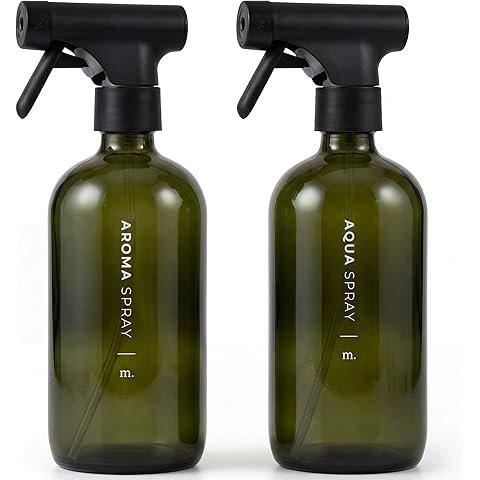
Natural cleaning kits
Reusable spray bottles
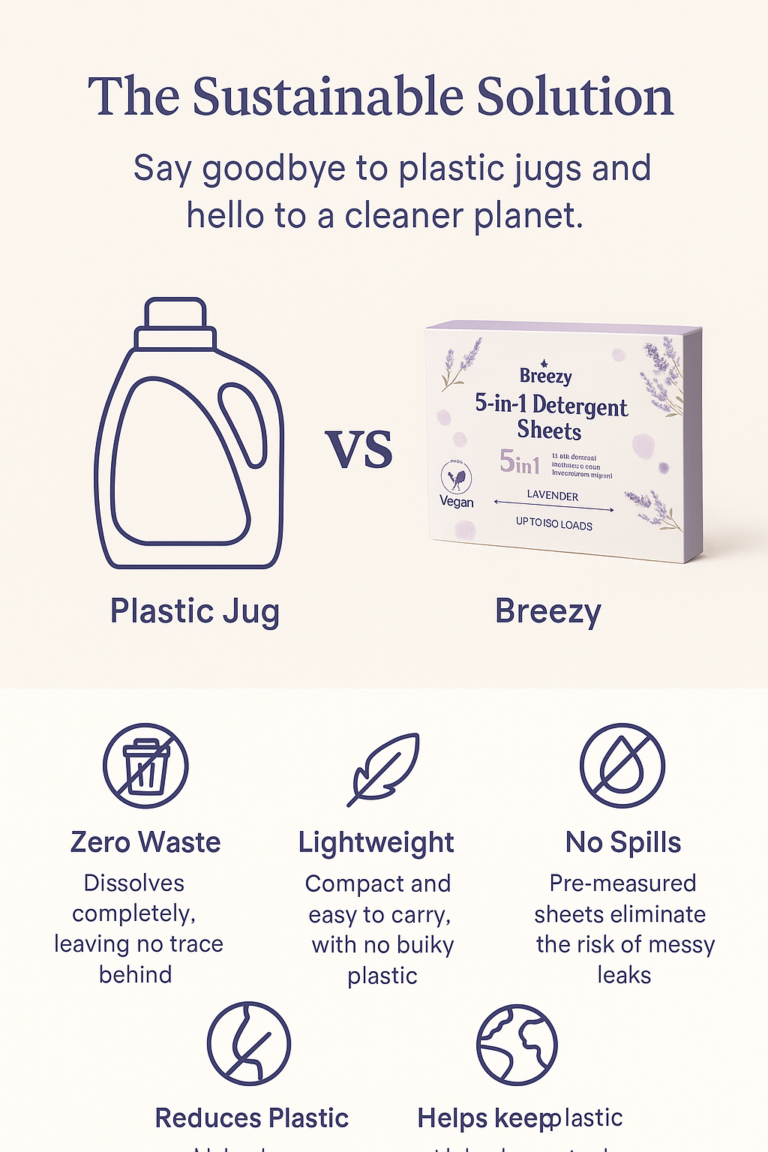
Laundry sheets
4. Rethink Laundry (Your Wallet Will Thank You)
Laundry creates more waste than many people realise.
Simple switches:
- Wash colder where appropriate
- Run fuller loads
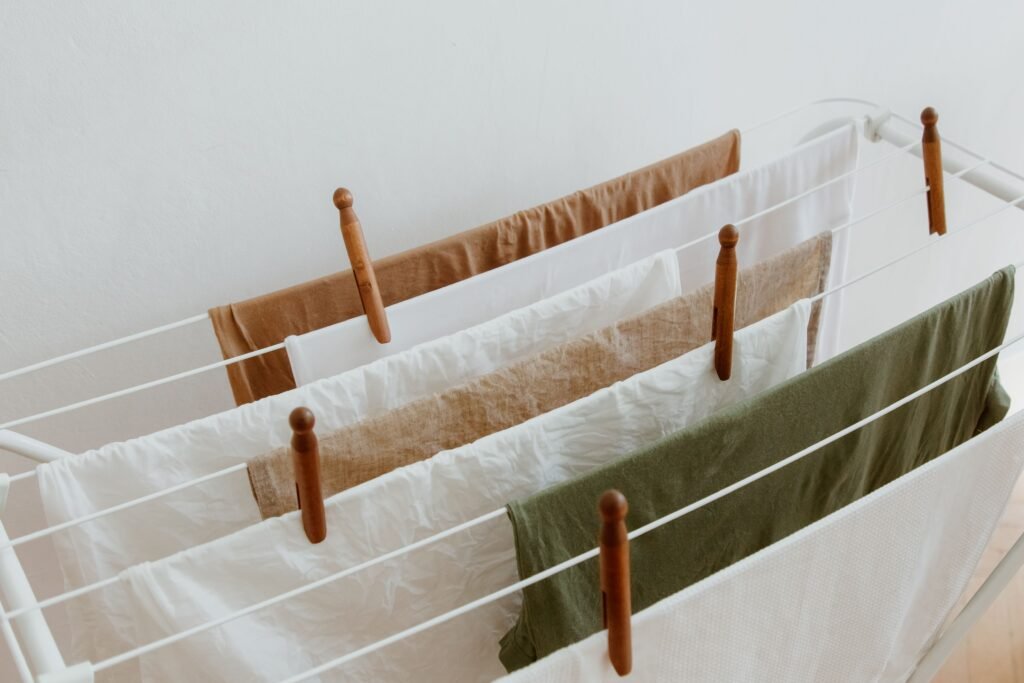
- Air dry more often
- Use measured detergent
- Skip unnecessary fabric softeners
Many households save money immediately from these changes.
Bonus:
Clothes often last longer.
Affiliate opportunity:
Laundry sheets
Drying racks
Wool dryer balls
5. Learn the Art of Second-Hand First
One sustainable question can save thousands yearly:
“Can I buy this second-hand?”
Best categories:
- Furniture
- Books
- Sports equipment
- Baby products
- Home décor
- Clothing
Second-hand doesn’t mean lower quality.
Often it means:
higher quality for less.
6. Create a Capsule Wardrobe (Without Becoming Boring)
The average wardrobe often contains clothes that barely get worn.
Try:
- Neutral basics
- Quality layers
- Versatile pieces
- Seasonal rotation
A useful rule:
If you wouldn’t buy it again today, consider donating or selling it.
The goal isn’t fewer clothes.
The goal is more useful clothes.
Affiliate opportunity:
Classic wardrobe staples
Storage solutions
Clothing care products
7. Repair Small Problems Early
Tiny repairs prevent big replacements.
Examples:
- Sew loose buttons
- Fix zips
- Repair furniture
- Replace appliance parts
Learning one repair skill each month can dramatically reduce spending.
8. Use What’s Already in Your Kitchen
Food waste quietly drains budgets.
Try:
- Meal planning
- “Use first” shelf
- Freeze leftovers
- Batch cooking
- Leftover transformation nights
Sustainable living starts with eating what you already paid for.
9. Choose Multi-Purpose Products
One excellent product often replaces five average ones.
Look for:
- Multi-use cleaners
- Neutral skincare
- Modular storage
- Convertible household items
Less clutter.
Means less waste.
Less decision fatigue.
10. Make Sustainable Living Feel Good
If your sustainable routine feels restrictive, it won’t last.
Focus on:
- progress
- comfort
- simplicity
Celebrate:
- reduced spending
- less clutter
- more intentional choices
That’s where real change happens.
Final Thoughts
Sustainable living isn’t about living with less joy.
It’s about creating more value from what you already have.
Start with one habit this week:
Reuse one item.
Delay one purchase.
Choose one natural alternative.
Small changes repeated over time become something much bigger.
And your future self (and bank account) will probably notice.
Recommended Resources
□ Sustainable home essentials
□ Natural cleaning products
□ Laundry sheets
□ Reusable storage solutions
□ Sustainable fashion basics
FAQs
What is the easiest sustainable habit to start?
Reusing products before replacing them.
Does sustainable living save money?
Usually yes. Buying intentionally and reducing waste often lowers spending.
Do I need to buy eco products immediately?
No. Using what you already own first is often the most sustainable choice.