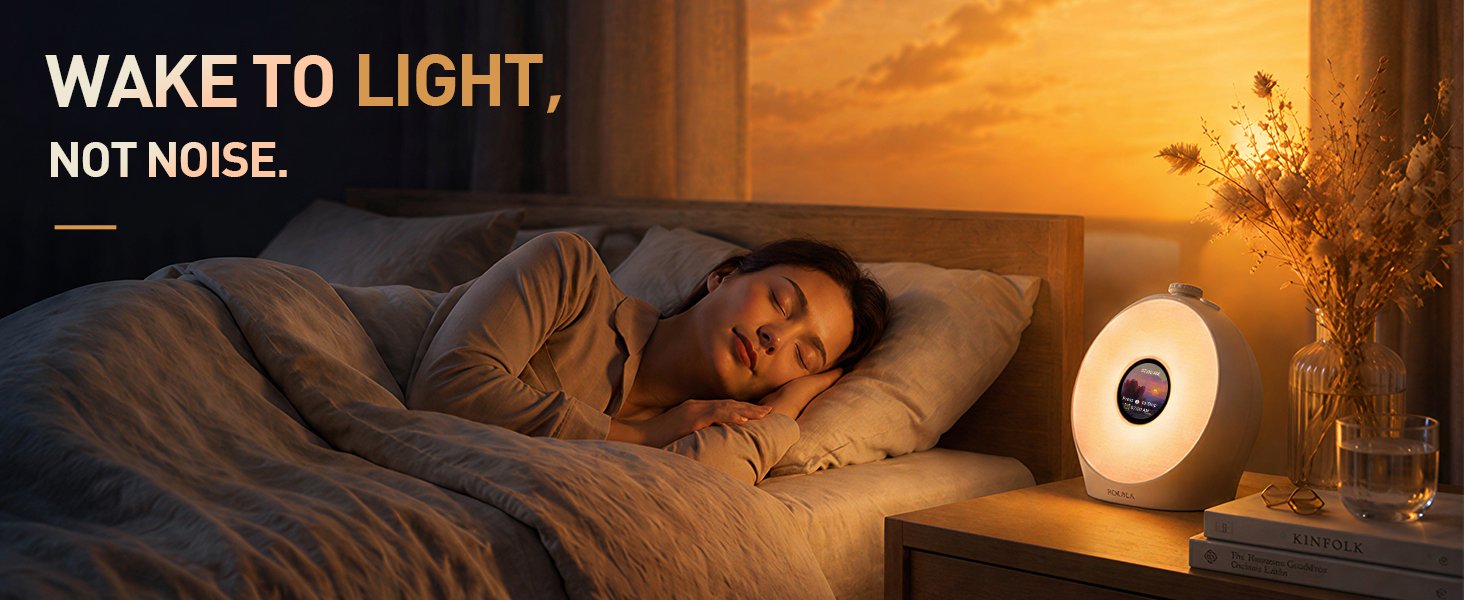
Discover realistic stress relief tips and simple self-care habits that fit busy schedules. Improve balance, reduce overwhelm, and feel more like yourself again.
Stress + Balance: Practical Self-Care Habits for Busy People
Stress has become strangely normal.
People casually say they are exhausted.
Busy.
Running on empty
Messages pile up.
Work follows us home.
There is laundry.
Appointments.
Notifications.
Life admin.
Then somehow the answer online becomes:
Take a two-hour bath.
Journal for forty minutes.
Book a weekend retreat.
Lovely ideas.
But what happens on an ordinary Tuesday?
Real self-care usually looks less glamorous.
It often looks like drinking water, going outside for ten minutes, saying no to something unnecessary, and giving yourself permission to stop performing productivity for a moment.
Balance does not mean every day feels peaceful.
It means your life has enough recovery built into it that you can keep showing up without constantly feeling depleted.
This guide is designed for busy people who want practical stress-relief habits that fit everyday life.
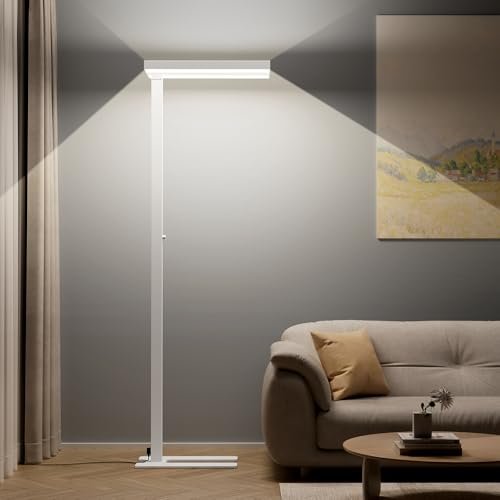
Why Stress Management Often Feels So Hard
Stress itself is not always the problem.
Pressure is part of life.
The issue is when recovery never arrives.
Many people move from:
Work
→ Chores
→ Screens
→ Sleep
Then repeat.
No pause.
No reset.
No breathing space.
The goal is not to remove all stress.
The goal is to create moments that help you recover better.
2. Walk Without Your Phone Sometimes
Walking is useful.
Walking without constant input can feel surprisingly different.
Leave podcasts occasionally.
No emails.
No scrolling.
Just move.
Notice the weather.
Notice your surroundings.
You do not need mindfulness perfection.
You just need a short break from constant stimulation.
Affiliate opportunity:
• Comfortable trainers
• Lightweight walking jacket
3. Build Tiny Boundaries Around Your Time
Many people imagine boundaries as dramatic conversations.
Usually they are smaller.
Examples:
Do not answer emails after a certain time.
Eat lunch away from your desk.
Take breaks without apologising.
Delay replying immediately.
Tiny boundaries protect energy.
And protecting energy is part of self-care.
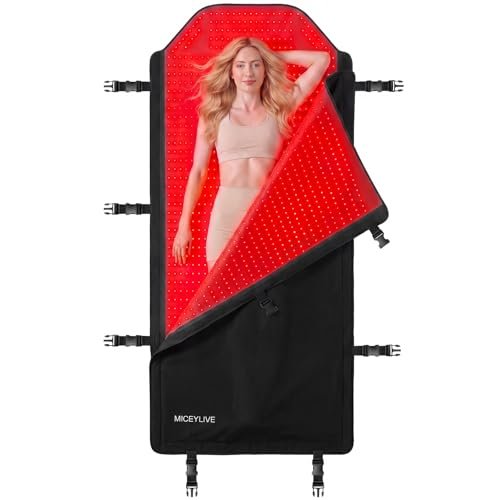
4. Create an Evening Shutdown Ritual
Stress often follows us because the day never feels finished.
Try creating a small sequence.
Ideas:
Clear your workspace
Prepare breakfast
Write tomorrow’s priorities
Lower lights
Read instead of scrolling
You are not trying to optimise your life.
You are teaching your brain the day is ending.
Affiliate opportunity:
• Reading lamp
• Bedside organiser
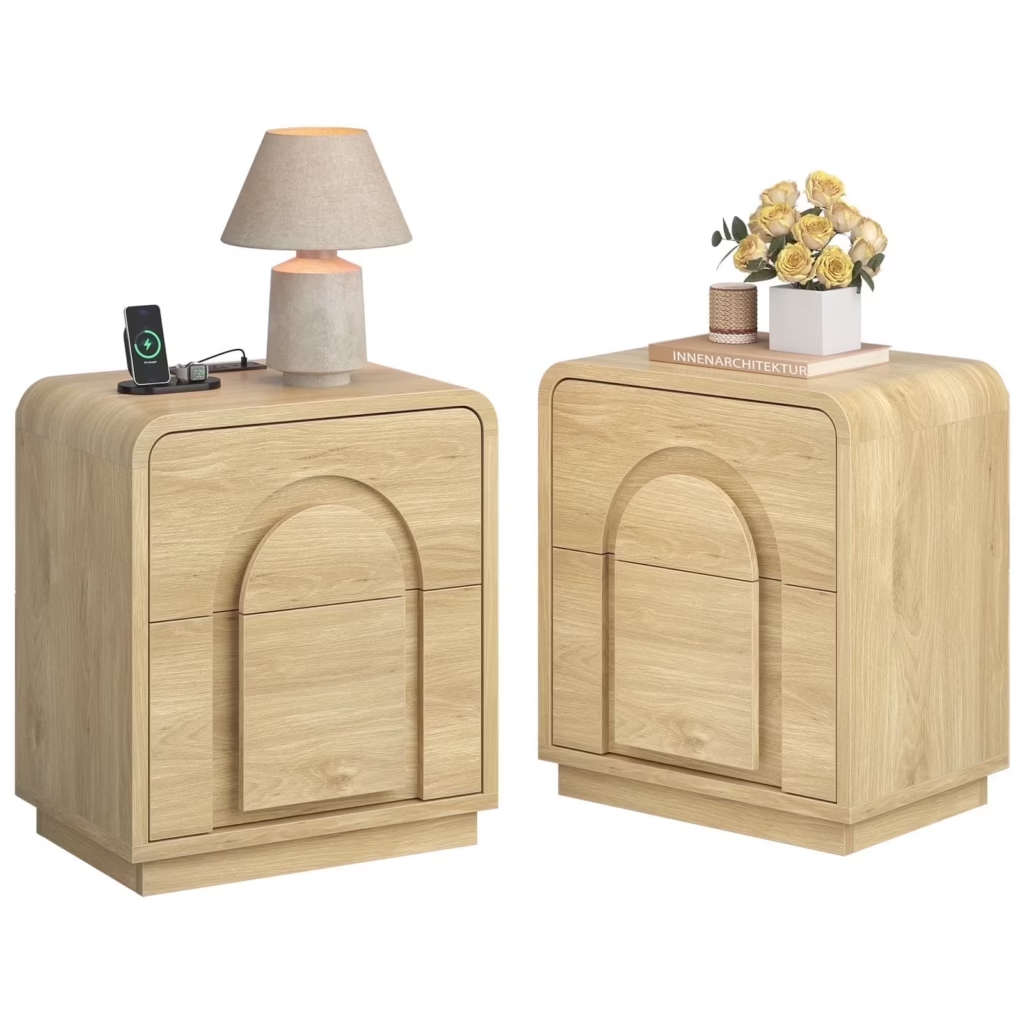
5. Reduce Decision Fatigue
Stress grows when every tiny thing becomes another decision.
Reduce unnecessary choices.
Ideas:
Plan lunches
Repeat outfits
Meal prep basics
Create routines
Less decision-making leaves more energy for things that matter.
Read next:
Quick Healthy Habits for Busy People
6. Build a Calm Corner at Home
This does not require an entire room.
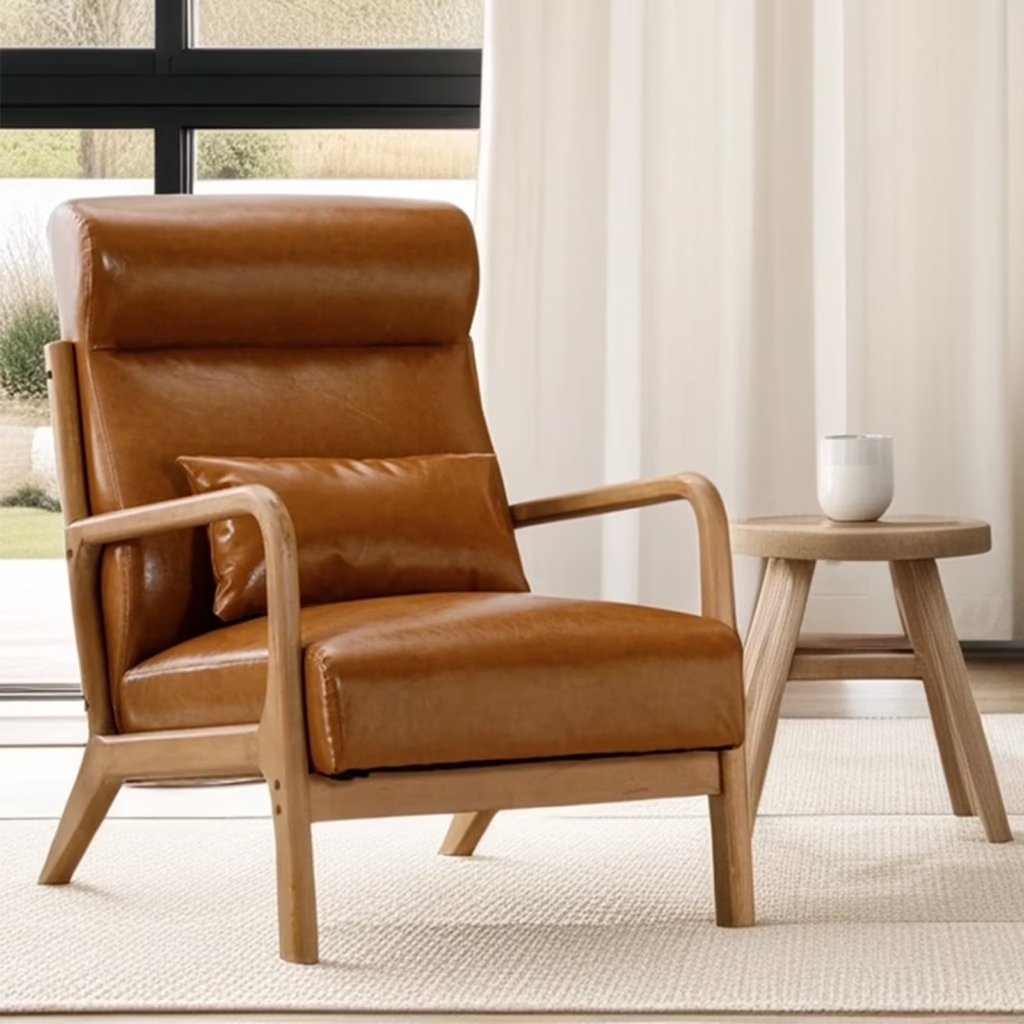
Choose one chair.
One blanket.
One lamp.
Create one place associated with slowing down.
Your brain notices patterns.
Over time this can become your reset space.
Affiliate opportunity:
• Small desk organiser
• Cozy reading light
• Lap tray
7. Stop Treating Rest Like Something You Earn
This one feels uncomfortable.
Many people rest only after they finish everything.
But there is always something else.
Rest is not necessarily doing nothing.
Rest can look like:
Walking
Reading
Talking
Stretching
Doing something enjoyable
Recovery supports productivity.
Not the other way around.
8. Build One Self-Care Habit You Can Repeat
Ignore the perfect routines online.
Choose one:
Morning tea
Ten-minute walk
Phone-free lunch
Reading before bed
Sunday meal prep
Small habits are easier to keep.
Quick Stress Reset Checklist
□ Take a ten-minute pause
□ Walk without your phone
□ Create one boundary
□ Build evening shutdown routine
□ Reduce small decisions
□ Create calm space
□ Schedule recovery
FAQs
What is the quickest way to reduce stress?
Short breaks, movement, hydration, and creating boundaries around work can help create moments of recovery.
What counts as self-care?
Self-care includes simple habits that support wellbeing and recovery. It does not need to be expensive or time-consuming.
How do busy people create better balance?
Start with one repeatable habit instead of redesigning your whole routine.
Final Thoughts
You do not need a completely different life to feel more balanced.
You do not need a perfect routine.
You probably do not need another productivity app either.
Start smaller.
Take ten minutes.
Walk.
Eat lunch properly.
Turn your phone over.
Protect a little more of your energy.
Small moments of recovery count.
CTA:
Choose one stress habit and try it this week.
READ NEXT:
→ Quick Healthy Habits for Busy People
→ Energy + Weight Support Habits
→ Healthy Evening Routine Ideas